
Vintage buffet furniture with French detailing offers a unique blend of antique charm and sophisticated elegance. These pieces, often crafted from exquisite hardwoods and adorned with intricate carvings and flourishes, represent a bygone era of craftsmanship. Their enduring appeal lies in the timeless beauty of their design and the rich history they embody. This exploration delves into the characteristics, care, and enduring allure of these remarkable pieces.
From the delicate curves of Louis XVI-inspired designs to the more ornate embellishments of the Art Deco period, French detailing on vintage buffets adds a layer of artistry and refinement. The quality of materials, the meticulous craftsmanship, and the overall aesthetic contribute to their value and desirability among collectors and design enthusiasts alike. Understanding the historical context and identifying authentic pieces are key aspects in appreciating these furniture treasures.
Vintage furniture holds a unique charm, blending history, craftsmanship, and timeless elegance. Among the most coveted pieces are vintage buffets, particularly those boasting exquisite French detailing. These statement pieces offer not only ample storage but also a captivating focal point for any room. This guide delves into the world of vintage French buffet furniture, exploring its history, styles, materials, restoration, and care, helping you appreciate and perhaps even acquire your own piece of French furniture history.
A History of French Buffet Furniture
The history of French buffets is deeply intertwined with the evolution of French design and craftsmanship. From the ornate Baroque period to the refined elegance of Louis XVI and the graceful lines of Art Deco, each era left its distinct mark on buffet design. Early examples often featured heavy carving, rich gilding, and luxurious materials like mahogany and walnut.
As styles evolved, so did the designs, with later periods showcasing simpler lines and a greater emphasis on functionality.
Key Periods and Their Styles:
- Baroque (17th-18th centuries): Characterized by extravagant ornamentation, elaborate carvings, and the use of dark, richly toned woods. Expect heavy curves, scrolling details, and often gilded accents.
- Louis XV (mid-18th century): Known for its graceful curves, asymmetrical designs, and the use of lighter woods like cherry and lighter-toned mahogany. Cabriole legs and shell motifs are common features.
- Louis XVI (late 18th century): This period favored neoclassical designs, with straight lines, geometric patterns, and a focus on symmetry. Materials included mahogany, oak, and satinwood. Gilding was less prominent than in earlier periods.
- Empire (early 19th century): Inspired by Roman and Greek styles, Empire furniture is characterized by its grandeur and imposing scale. Ebonized wood, brass accents, and classical motifs are key features.
- Art Deco (1920s-1930s): Art Deco buffets feature geometric shapes, streamlined designs, and luxurious materials like lacquer, inlaid wood, and chrome. Bold colors and patterns were also incorporated.
Identifying Authentic French Buffet Furniture: Vintage Buffet Furniture With French Detailing
Distinguishing genuine French antique buffets from reproductions requires a keen eye for detail. Several key features can help you identify authentic pieces:
Authenticity Markers:, Vintage buffet furniture with French detailing
- Construction Techniques: Examine the joinery. Dovetail joints, mortise and tenon joints, and other traditional techniques are hallmarks of quality craftsmanship. Poorly executed joinery often indicates a reproduction.
- Hardware: Original French hardware is often unique and meticulously crafted. Look for hand-forged details, distinctive shapes, and high-quality materials like bronze or brass. Replacing hardware is a common practice in restorations, so be sure to evaluate carefully.
- Wood Species and Finish: Authentic French buffets often use specific wood types, such as walnut, mahogany, oak, or cherry. The finish should show signs of age and wear, rather than a perfectly uniform, modern look. Examine the wood grain and look for natural variations and patinas.
- Marquetry and Inlays: Intricate marquetry (inlaid wood designs) is a common feature in higher-end French furniture. Examine the precision and detail of the inlay work.
- Maker’s Marks or Labels: While not always present, maker’s marks or labels can provide valuable information about the origin and age of the piece.
Materials and Finishes
The materials used in vintage French buffets contributed significantly to their beauty and durability. Common materials include:
- Mahogany: A rich, reddish-brown wood known for its strength and beautiful grain. Often used in many styles.
- Walnut: A strong, dark-colored wood with a distinctive grain pattern. Popular in Baroque and Louis XV pieces.
- Oak: A durable, light-to-medium-toned wood, often used in Louis XVI and later styles.
- Cherry: A reddish-brown wood, sometimes used in lighter-toned French furniture.
- Bronze and Brass: Frequently used for hardware, decorative accents, and inlays.
Finishes varied throughout the different periods. Early pieces often featured a polished or lacquered finish, while later pieces might have a more matte or waxed finish.
Restoring and Maintaining Your Vintage French Buffet
Owning a vintage French buffet is a rewarding experience, but it requires proper care and maintenance. Regular dusting and polishing can help preserve its beauty. If restoration is needed, it’s crucial to find a qualified professional specializing in antique furniture restoration. Improper restoration can significantly diminish the value and authenticity of the piece.
Finding and Purchasing Vintage French Buffet Furniture
Finding the perfect vintage French buffet can be an exciting adventure. Explore various avenues, including:
- Antique Shops and Dealers: These are excellent resources for finding authentic and well-preserved pieces.
- Online Marketplaces: Websites like eBay and Etsy offer a wide selection of vintage furniture, but buyer beware – thorough research is crucial.
- Auction Houses: Auction houses frequently offer high-quality antique furniture, but prices can be competitive.
- Estate Sales and Flea Markets: These can be great places to find hidden gems at affordable prices.
Frequently Asked Questions (FAQ)
- Q: How can I tell if a French buffet is a genuine antique? A: Look for hallmarks of quality craftsmanship, such as dovetail joints and hand-forged hardware. Examine the wood type and finish for signs of age and wear. Consult with an antique appraiser if you are unsure.
- Q: How much does a vintage French buffet cost? A: Prices vary widely depending on the age, style, condition, and maker. Expect to pay anywhere from a few hundred dollars to tens of thousands of dollars for high-end pieces.
- Q: How do I clean and care for my vintage French buffet? A: Regularly dust your buffet with a soft cloth. Use a specialized furniture polish designed for antique pieces. Avoid harsh chemicals and abrasive cleaners.
- Q: Where can I find a reputable antique furniture restorer? A: Ask for recommendations from antique dealers, auction houses, or online forums dedicated to antique furniture. Check online reviews and ensure the restorer has experience with French furniture.
- Q: What are the common problems with vintage French buffets? A: Common issues include loose joints, damaged veneers, scratches, and worn finishes. Woodworm infestation can also be a problem in older pieces.
Conclusion
Vintage French buffet furniture represents a timeless blend of artistry and functionality. By understanding its history, identifying authentic pieces, and properly caring for them, you can enjoy the beauty and legacy of these exquisite pieces for generations to come. Start your search today and discover the perfect vintage French buffet to add a touch of French elegance to your home.
Call to Action
Ready to add a touch of French elegance to your home? Start browsing our curated collection of vintage French buffet furniture today! [Link to website/store]
User Queries
How can I identify authentic French detailing?
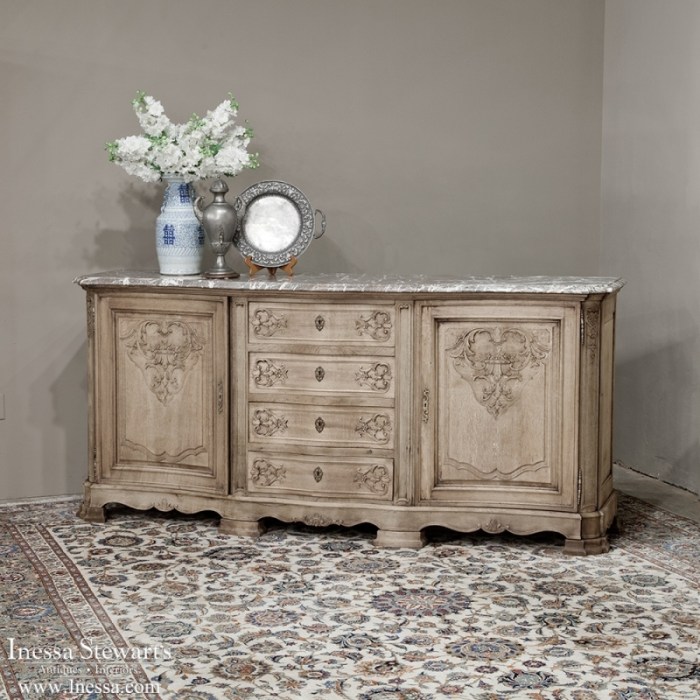
Look for hallmarks of specific periods, like the use of particular woods, carving styles, and hardware. Researching different French design periods (e.g., Louis XV, Louis XVI, Art Deco) will help you identify key characteristics. Consulting with an antique appraiser can provide expert authentication.
How should I care for my vintage buffet?
Regular dusting with a soft cloth is essential. Avoid harsh chemicals and abrasive cleaners. For more significant cleaning, use a specialized wood cleaner and polish. Protect the surface from scratches and direct sunlight.
What are common signs of damage to look for?
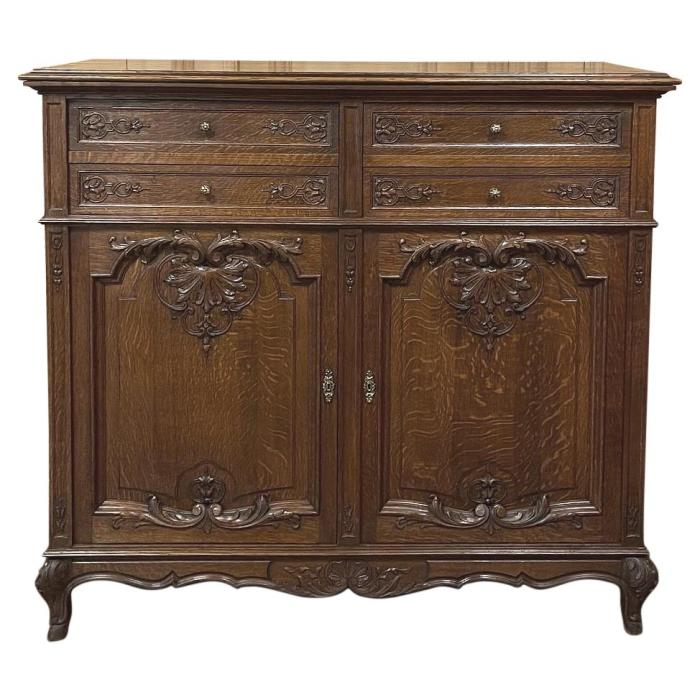
Check for woodworm damage, cracks in the wood, loose joints, and damaged veneers. Examine the hardware for wear and tear. These issues may impact the value and require restoration.